

Valentine’s Day in the Middle of the World
tour features
| Length | 9 Days / 8 Nights |
|---|---|
| Date | Feb 9th to 17th, 2025 |
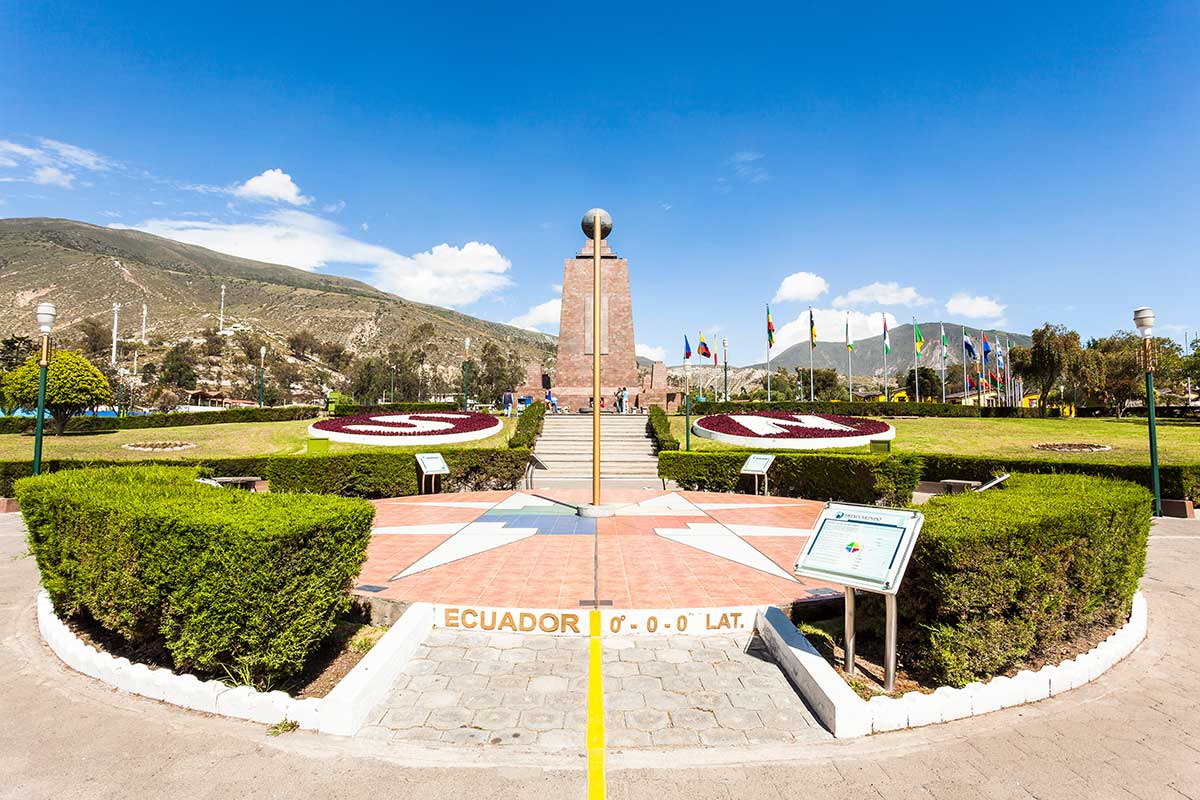
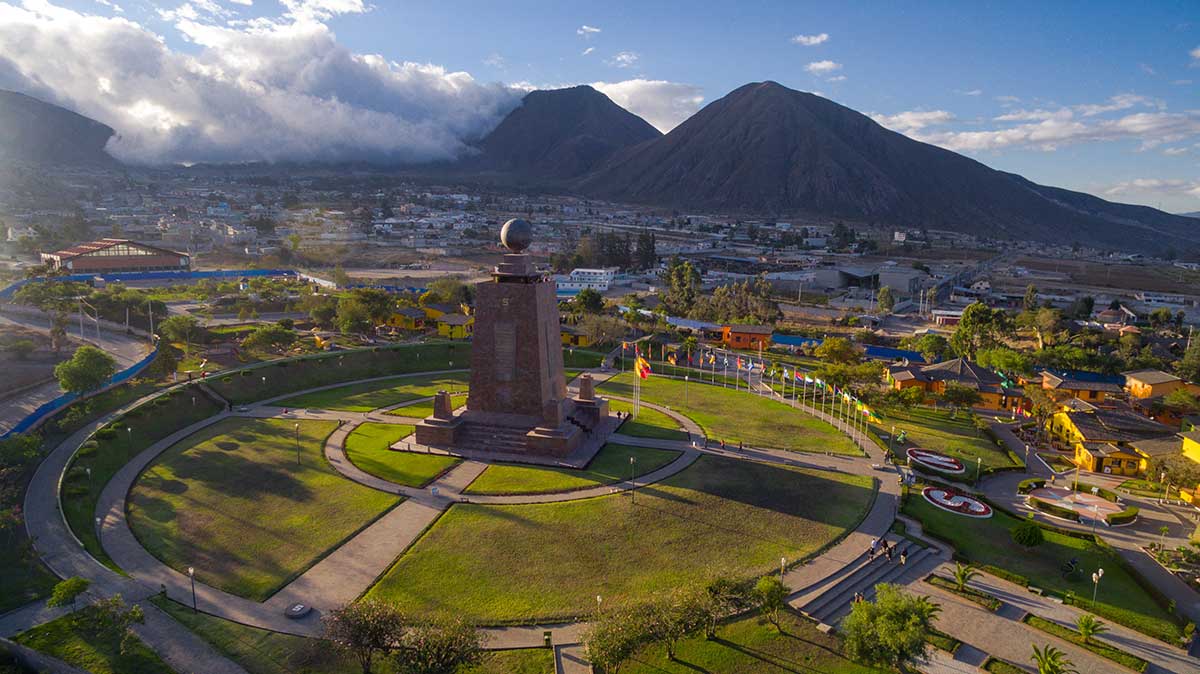
| Highlights | Quito ● Cuenca ● Middle of the World ● Cloudforest |
| Key Information | Immerse yourselves in a cultural extravaganza-our trip offers the ultimate Valentine's Day gift. |
Exclusive and intimate experience designed for a small group of like-minded couples
- A one-of-a-kind, exotic, and luxurious experience awaits you – this isn’t your average trip abroad. You’ll be treated to five-star luxury at various intimate locations, surrounded by breathtaking scenery, from majestic mountains to lush rainforests.
- Discover Cuenca, one of the premier retirement destinations in the world. This serene and peaceful city offers top-notch art and gastronomy.
- Martin and Cristina are committed to providing a unique, intimate, and extraordinary experience tailored to your needs. We have extensive experience and knowledge of our country’s incredible destinations.
Cuenca, Quito and the Cloudforest
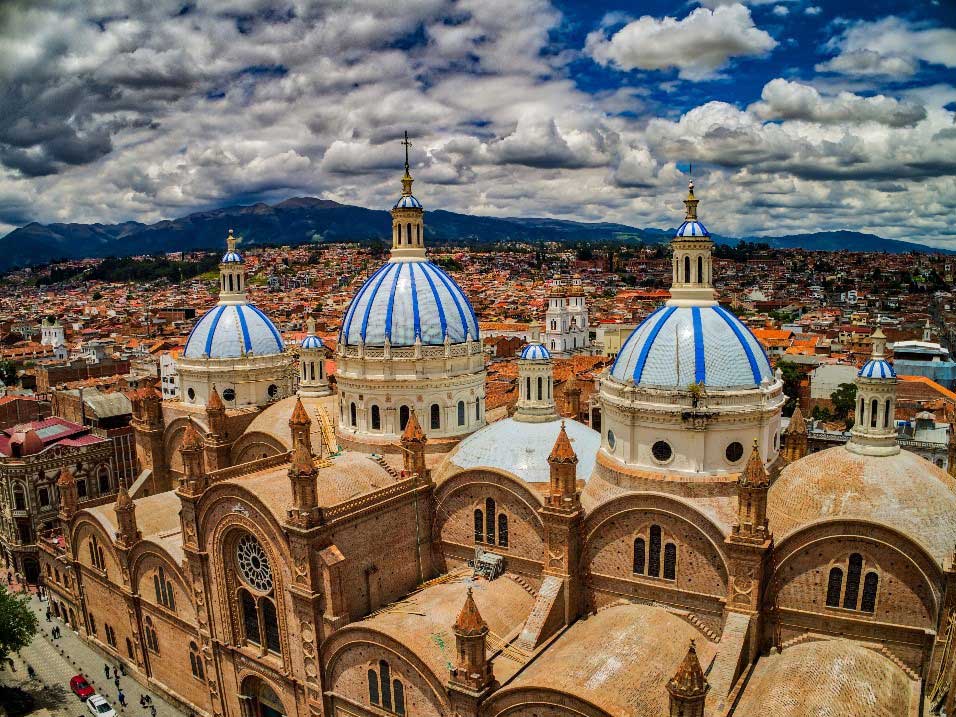
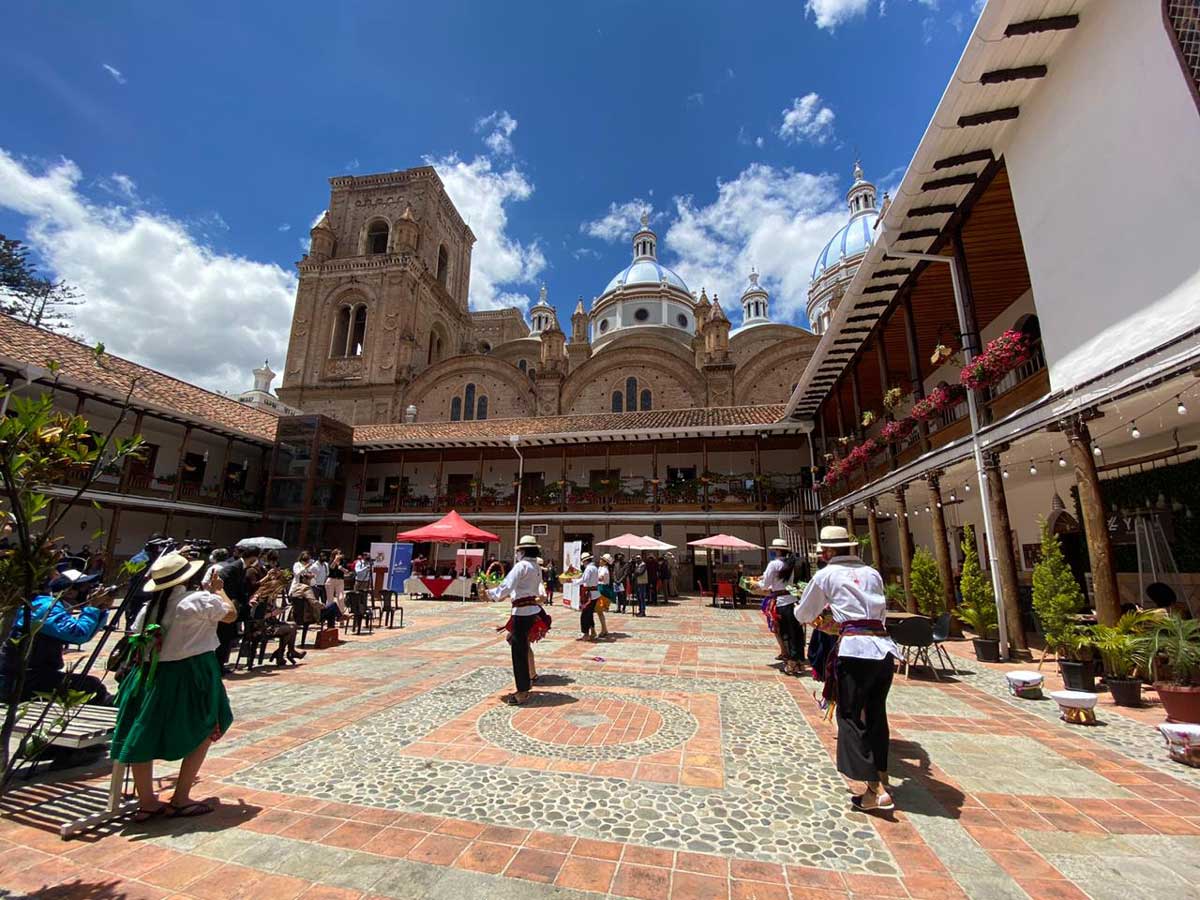
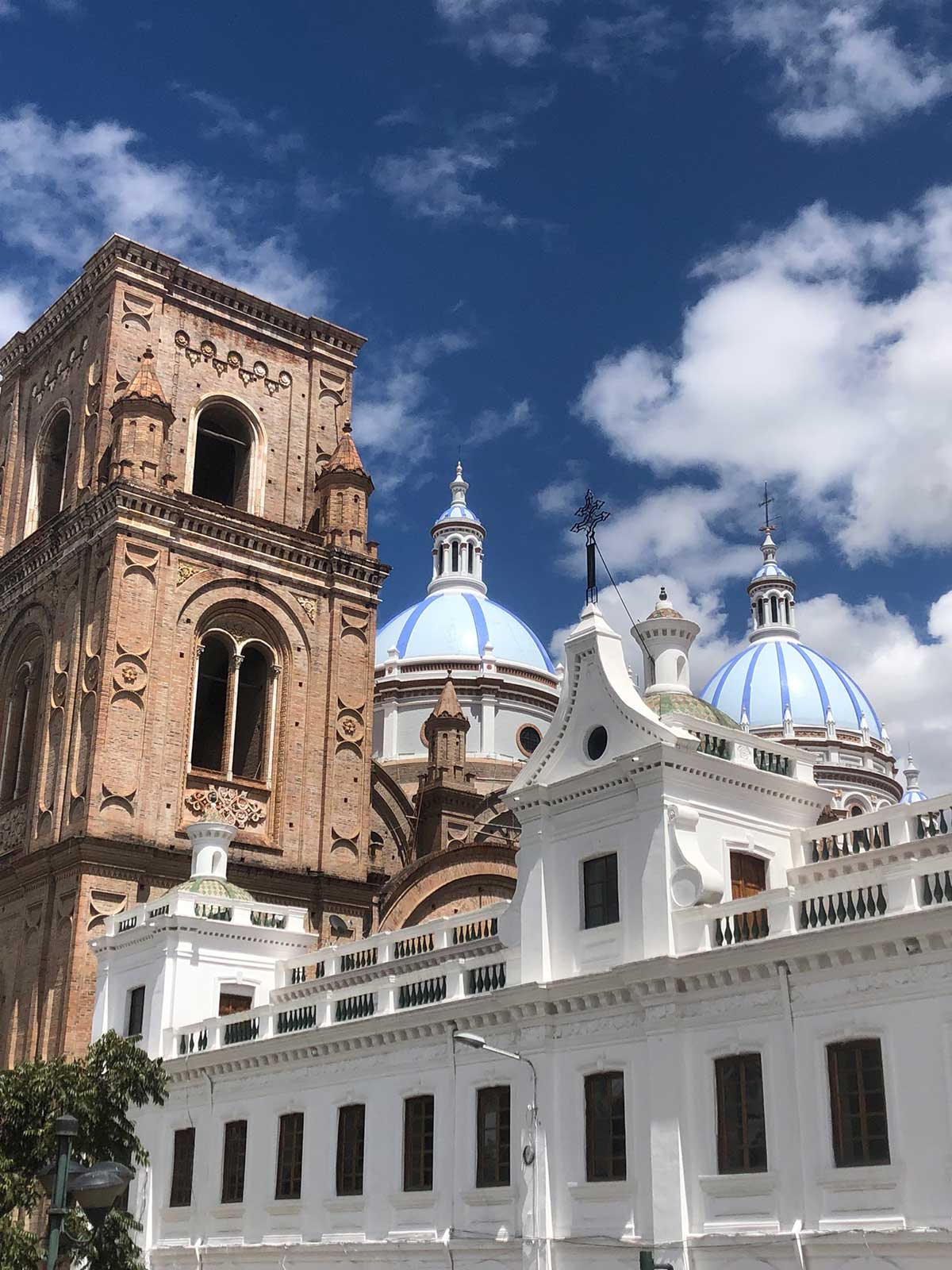
- Cuenca City: Get ready for a diverse array of experiences. We’ll stroll the streets, savor their top-notch gastronomy, delve into the world of pottery and jewelry art, and discover why it’s one of the world’s favorite retirement destinations.
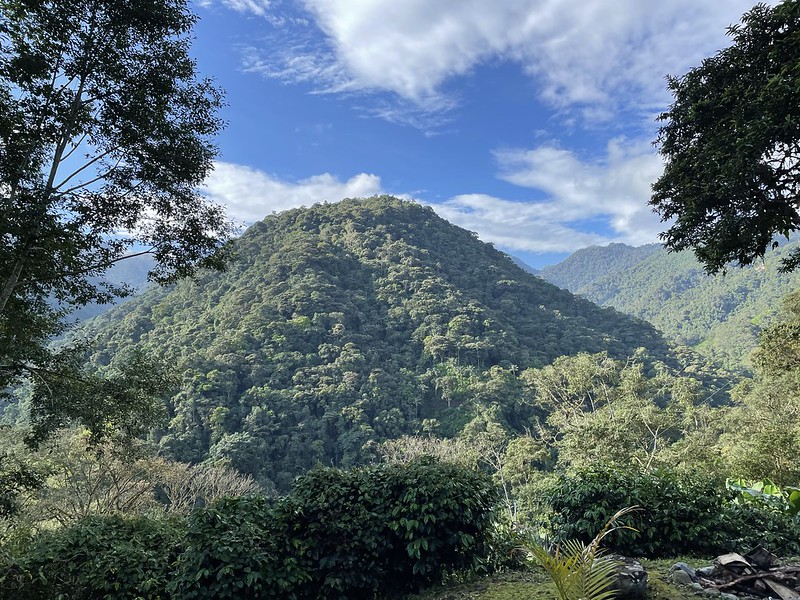
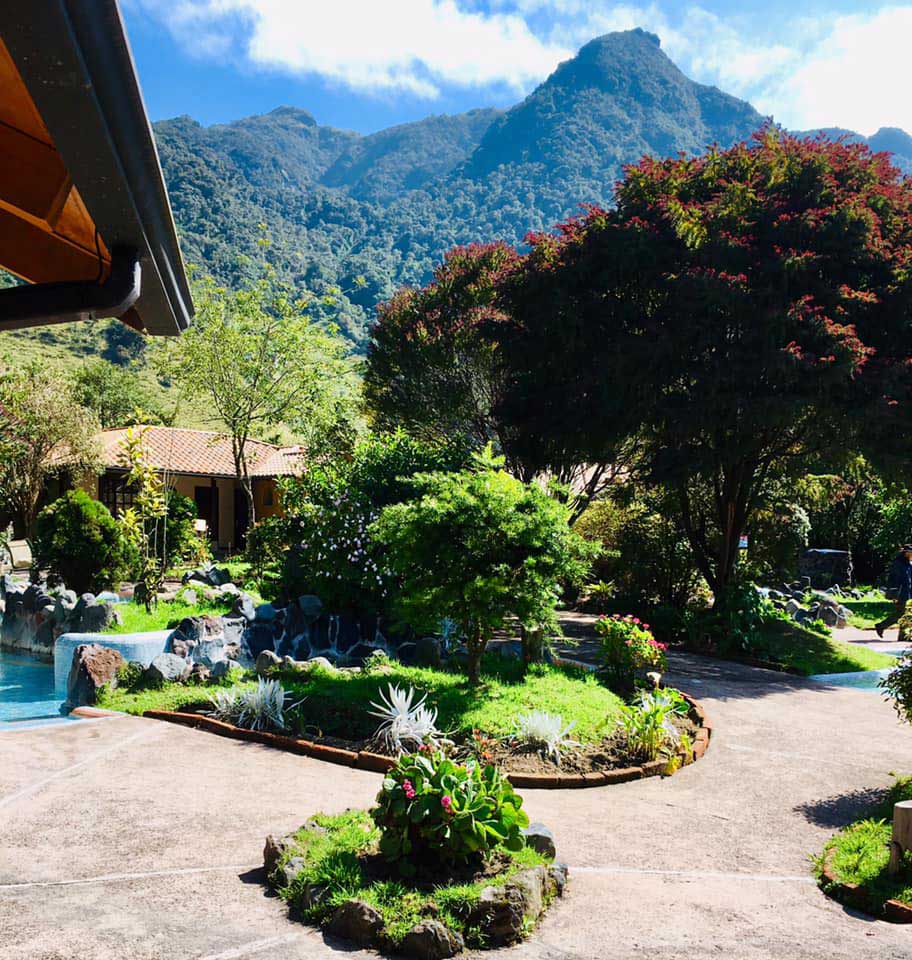
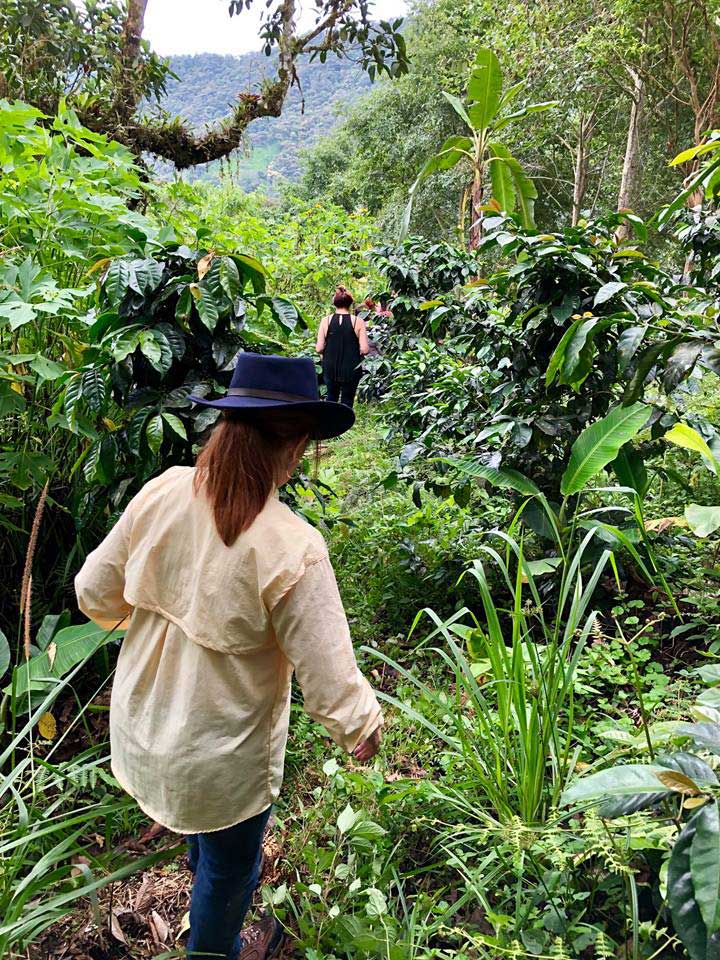
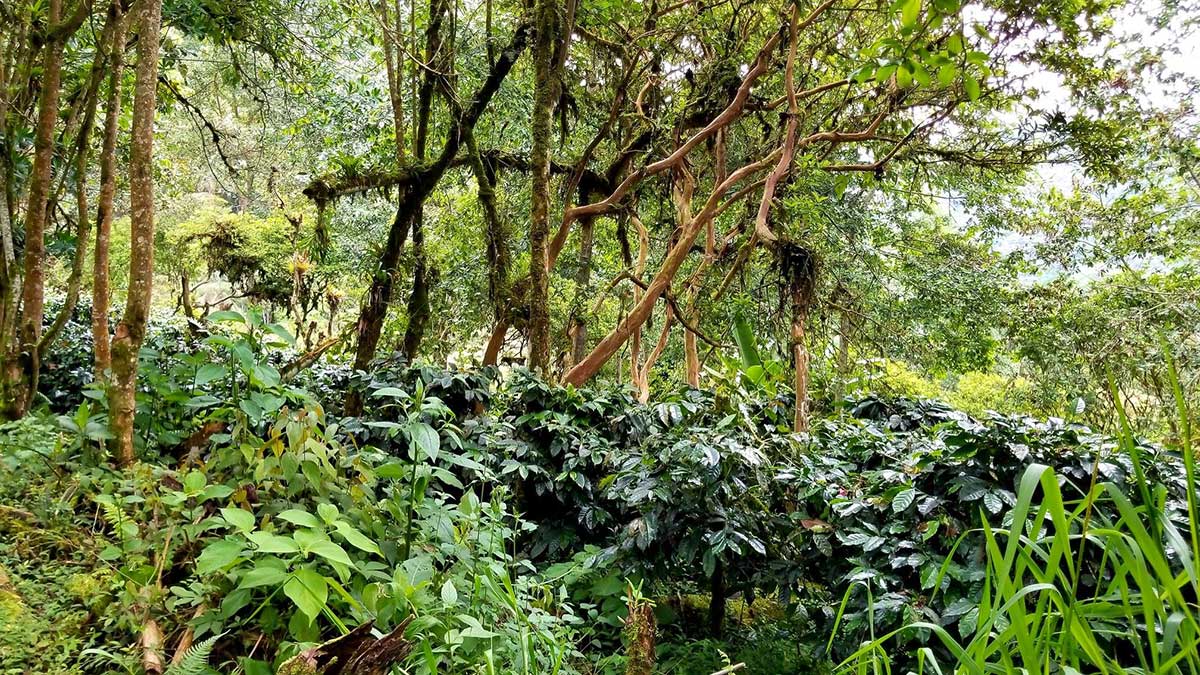
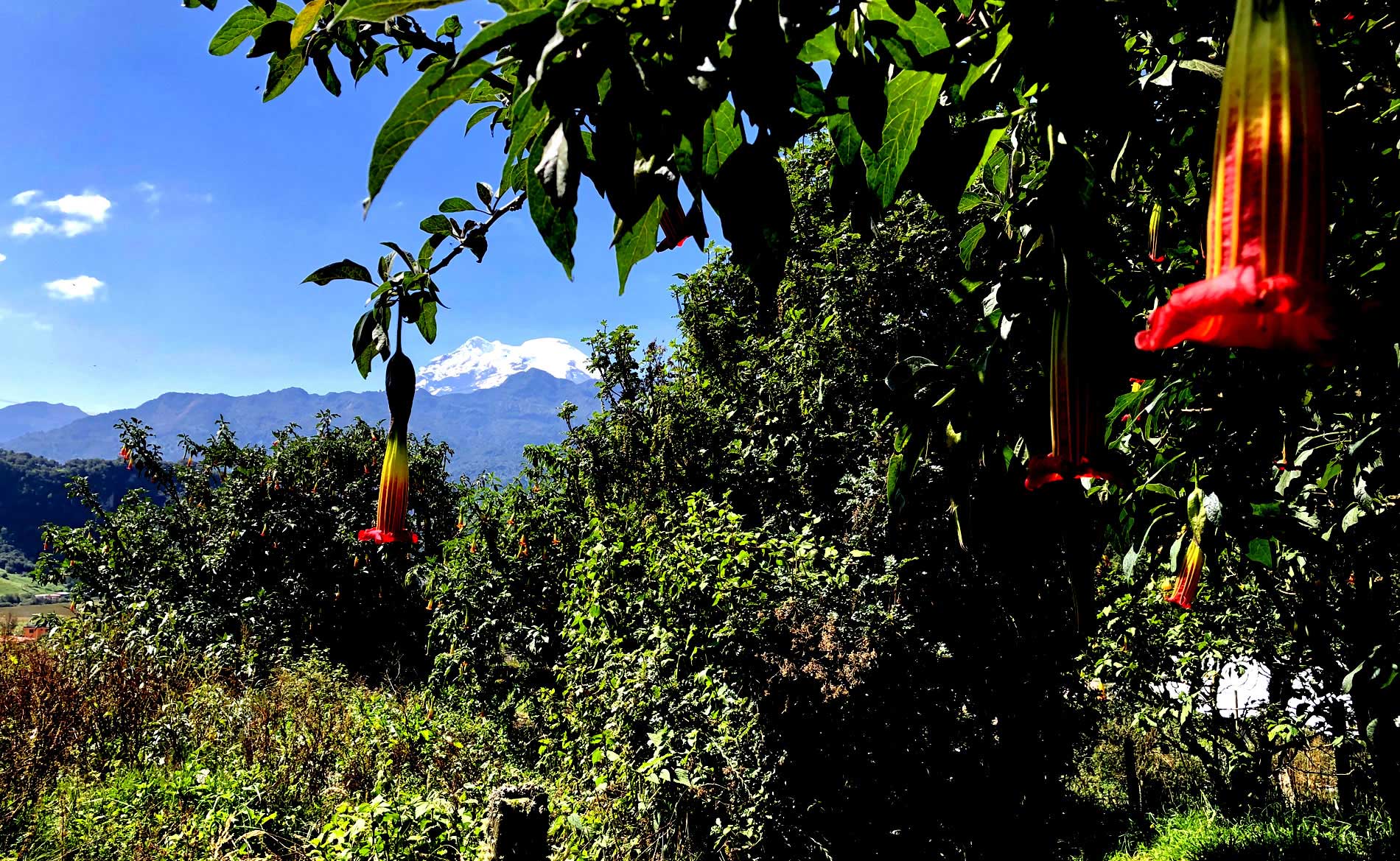
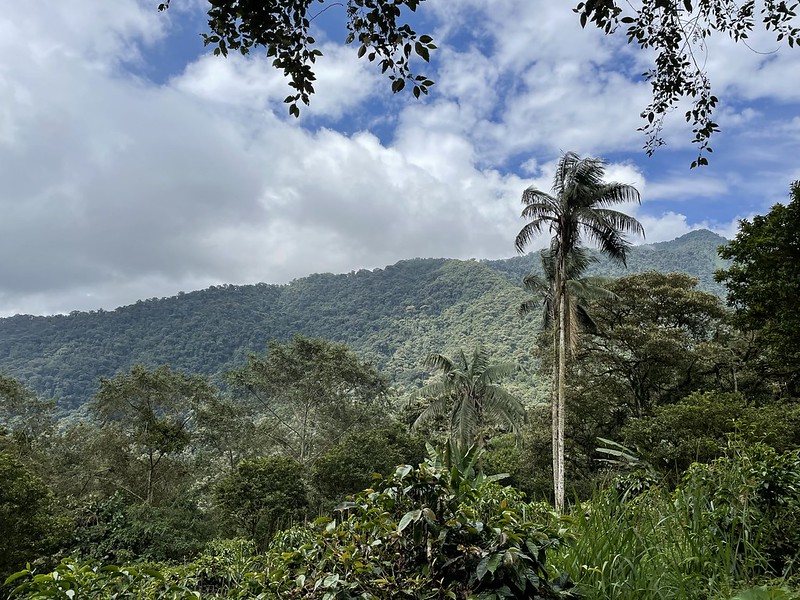
- Cloud Forest: We want you to celebrate Valentine’s Day in a romantic, adventurous way on our property, a hummingbird paradise. We’ve prepared a day full of surprises for you, including birdwatching, hummingbird feeding, and exquisite cuisine. This lush sanctuary will captivate you with its abundant variety of plant life and bird species.
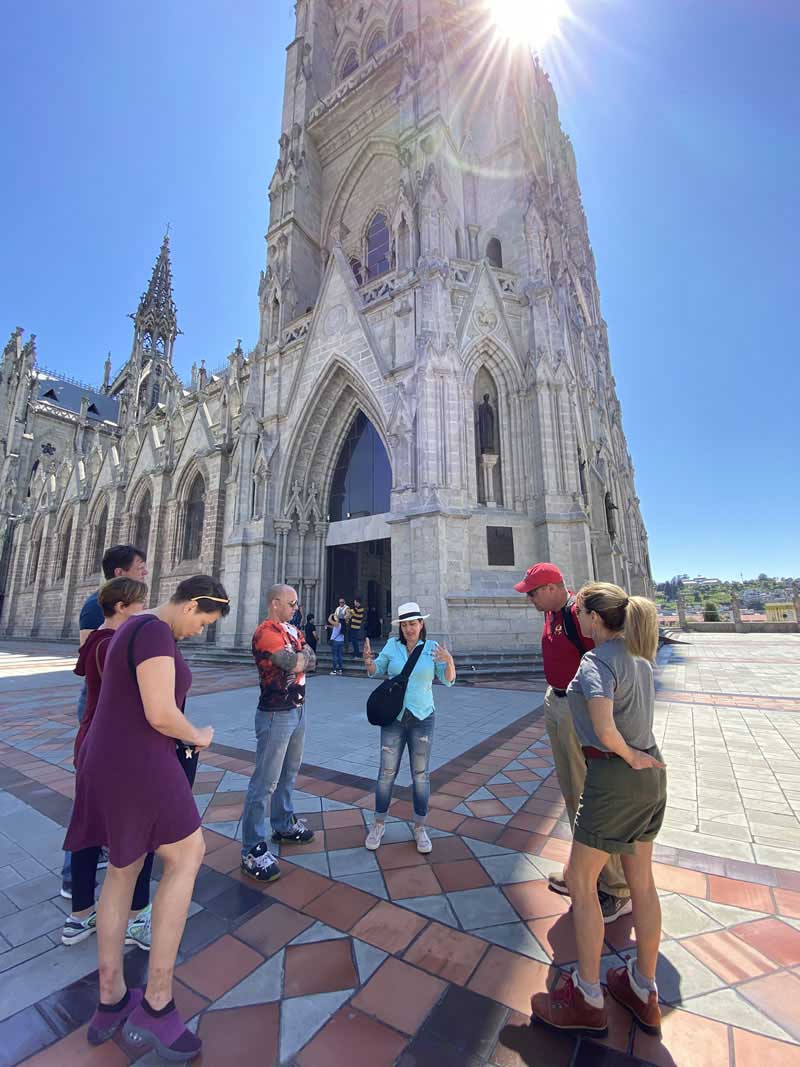
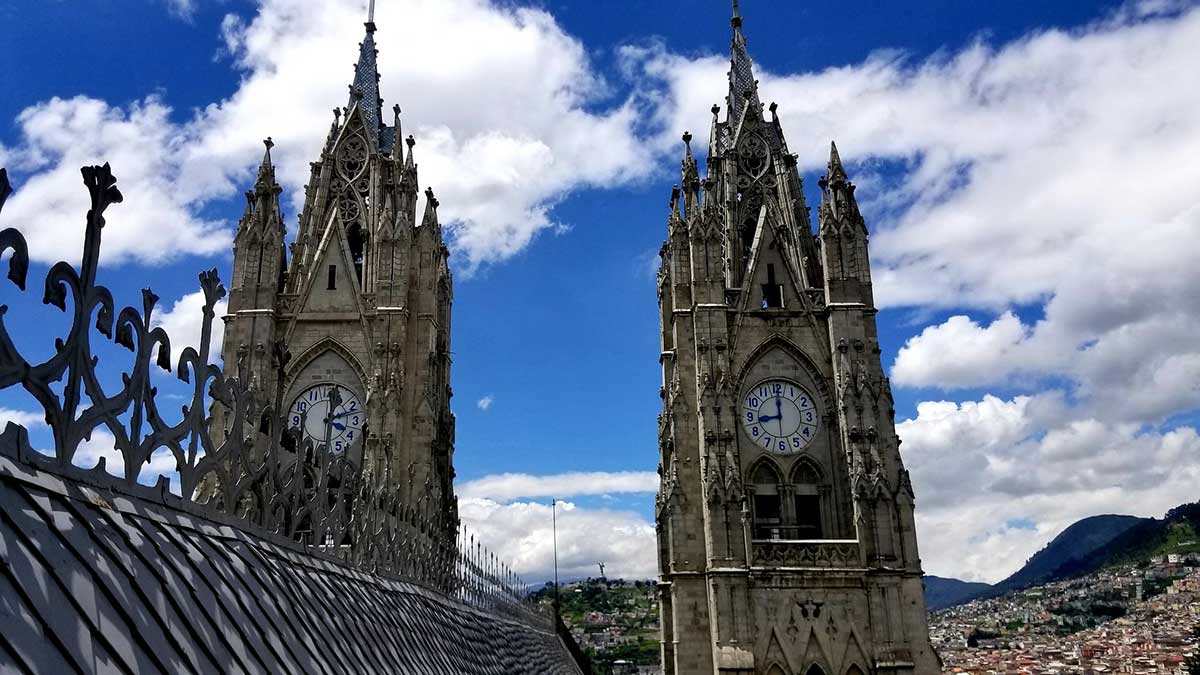
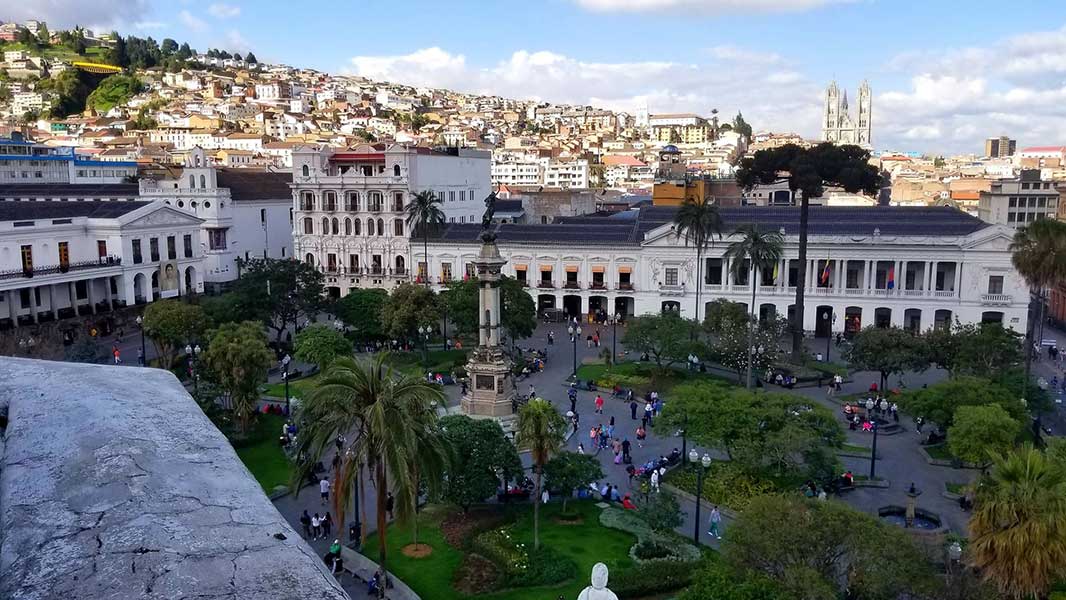
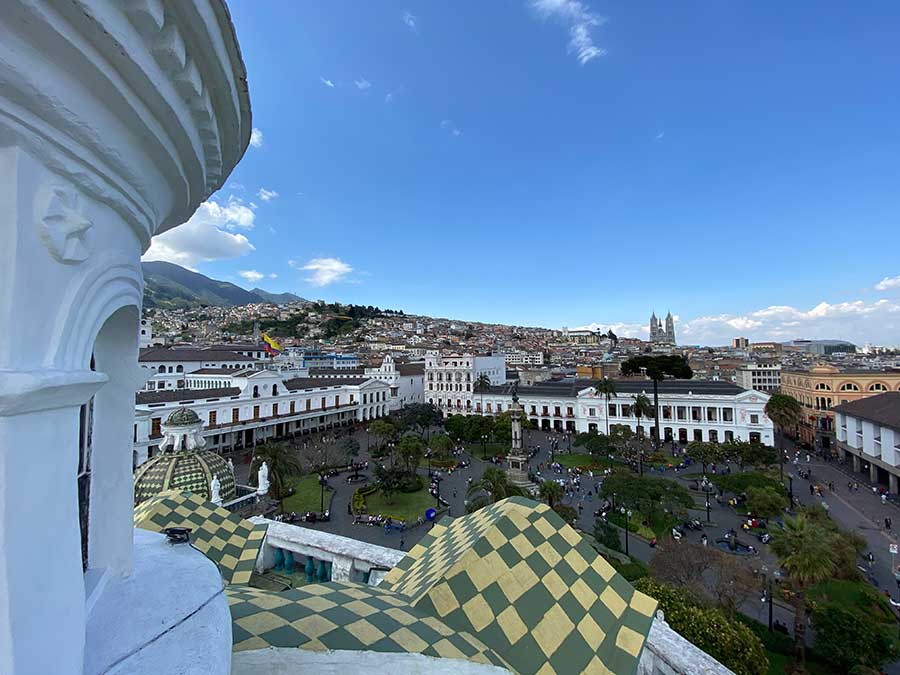
- Quito’s Old City: Here, we will wander along its cobblestone streets, flanked by vibrant colonial buildings and churches. You’ll experience this World Heritage City’s rich history and culture, offering you a chance to learn and immerse yourself in its fascinating past.
- Healing Hot Springs: Immerse yourself in the therapeutic hot springs, renowned for their mineral-rich properties and soothing warmth. Relax your muscles and unwind as you soak in pools ranging from invigoratingly hot to comfortably warm, surrounded by lush Andean rainforest.
You book your flight. We care for everything else
Here’s how The Ecuador and Galapagos Experience works: You book your flight. We care for everything else — including arranging unique dining experiences, securing reservations at top-rated hotels, providing comfortable transportation, and organizing a variety of activities such as guided tours, wildlife encounters, and cultural immersions.
- 3 nights accommodation in a luxury-class hotel in Cuenca
- 4 nights accommodation in a luxury-class hotel in Quito
- 1 night accommodation in a luxury hot spring resort
- All meals included
- Guided tours with Cristina and Martin
- Private transportation and private transfers to and from the airport
- Airfare to Cuenca
PRICE DOES NOT INCLUDE
- Tips and alcoholic beverages
- Air tickets to Ecuador
For Your Convenience, You Pay For This Experience In 4 Installments
The price is per person sharing a private room with a significant other
WHEN: Feb 9th to 17th, 2025
PRICE PER PERSON: US$3,820
Payment Schedule (per person):
- Reserve deposit: $520 per person by September 9th, 2024
- Payment of $1,100 by October 9th, 2024
- Payment of $1,100 by November 9th, 2024
- Payment of $1,100 by January 9th
Methods of payment: Credit or Debit Card, Zelle and Venmo.
FAQs
Yes. It is essential to buy a fully covered personal travel insurance to protect against financial loss due to 1) Trip Cancellation 2) In-country Emergency Medical and Dental assistance 3) Emergency Medical Transportation 4) Missed Connection/Travel / Trip Delay 5) Baggage lost, stolen, damaged or delayed coverage – we recommend the insurance offered by our American Express Card, the Silver coverage.
YOU MUST HAVE TRAVEL INSURANCE WITH A MINIMUM MEDICAL, EVACUATION, AND REPATRIATION COVERAGE OF US$100,000
Once you make the first payment, we enter into a contract with hotels, transportation, and restaurants on your behalf and we must pay for those services. Because we have chartered the boat and paid in full, your reservation deposit is non-refundable. If the cancellation is received 119 days or more in advance of the trip start date, a penalty fee of 55% of the total tour value will be charged per person. If the cancellation is received 120 days or less before the start of the trip, you will forfeit 100% of the total tour value.
Yes. No sophisticated medical facilities are on our itineraries or locations to which we travel. Our tours are intended for persons in reasonably good health and with full mobility. Passengers who are not fit for long trips for any reason, including mobility issues, disability, heart or other health condition are advised not to join the tour, which would entail an unreasonable risk to your health and the enjoyment of all those aboard.
All food allergies and dietary restrictions must be disclosed to us at the time of booking. We will use reasonable efforts to accommodate special requirements, but this is not always possible given the nature of the destinations we visit. We cannot guarantee that dietary needs or restrictions can be accommodated.
The meals mentioned on the tour are included. Meals are based on the hotel’s or restaurant’s set menu.
The Ecuadorian currency is the U.S. American dollar, which replaced the former sucre in the year 2000. All commercial and economic transactions are made with US dollars. The most widely used notes are the $1, $5, $10, and $20, while the $50 and $100 bills are mainly for big transactions. You should try to take small denominations of bills or coins and be aware that some businesses (gas stations, some restaurants, and even some shops) do not accept bills over $20.
On the other hand, it is generally very easy to pay with all major credit cards, most commonly American Express, Visa and MasterCard, but only in the more important towns.
The unit money in Ecuador is the USA $1 bill, or the USA $1 coin (also known as the Sacagawea dollar); both are widely used. Ecuador mints its own 1 cent, 5 cents, 10 cents, 25 cents, and 50 cent coins, and they have the same size, shape, and weight of the USA coins. Ecuadorian coins feature different designs than those of the US American coins and are of no value outside Ecuador. US coins can be used in Ecuador.
You can use your credit card to withdraw money from ATMs located everywhere in major cities
It depends on how much shopping you want to do. Many artisans don’t accept credit card. We recommend $500 per person. You can always draw money from an ATM.
For tips: see below
For the bus driver, we suggest a tip of $10 per day per couple. Our driver always keeps the bus clean, he’s very knowledgeable of the roads and drives very safe.
A hotel’s bellboy receives $1 per bag and housekeepers about $1 as well.
On the cruise we recommend $10.00 – $15 per day for the crew, and the same for the guide. Each amount is per person, not per couple.
The governmental tax is 15% (VTA) and applies in most cases for goods that visitors buy. An extra 10% applies for services at restaurants. By law, the 15% VTA tax is included in all prices for the public.
If a restaurant doesn’t add 10% service charge on the bill, we suggest a 10% tip in cash that you give directly to your server.
If you had excellent service and want to add a tip on top of the 10% service, you can offer a small tip of 5% in cash.
Ecuador requires visitors of all nationalities to have a valid passport with an expiration date of at least six months after the date of departure from Ecuador. Visas are not required for USA tourists.
The following airlines fly directly to Quito:
DELTA AIRLINES: Atlanta – Quito
AMERICAN AIRLINES: Miami – Quito
JET BLUE: Fort Lauderdale – Quito
UNITED AIRLINES: Houston – Quito
Mainland Ecuadorian time is GMT -5 hours, which is the same as US Eastern Standard Time Zone (ET). In December, the time in Ecuador is the same time as in the US (ET)
Since Ecuador is near the equator, you can expect approximately 12 hours of daylight each day. It is dark by 6:30 pm.
Galapagos Islands time is GMT -6 hours, which is the same as Central Standard Time.
No. Ecuador electricity is 110 V A.C. 60 Hz and the outlets are type A – the same as in the US.
Free Wi-Fi is standard in populated locations in Ecuador. So many Ecuadorians own smartphones and rely on Wi-Fi connections to use apps like Facebook Messenger and WhatsApp that restaurant, hotels, and cafes often provide Wi-Fi without a password.
Ecuador is a beautiful country, but like most destinations, pick pocketing is particularly problematic for tourists, especially in the cities.
Petty thievery in Ecuador’s cities is not higher than in any large city in the US. Common sense is important. Use the safety deposit box at your hotel for your passport and extra money (carry only as much as you might spend) and leave jewelry and expensive watches at home.
The weather in Ecuador is tough to predict. There are countless micro-climates due to extremely varied topography causing highly diverse weather in neighboring geographical locations. Weather patterns are different west and east of the Continental Divide. It is important to remember that Ecuador is located right on the Equator and, therefore, it does not have four seasons but two, somewhat different, climate periods during the year—a rainy and a dry season.
In Quito, we wake up with cold weather (50°F) and the temperature slowly rises to around 65°F–72°F and then it can drop down to the 40s. Since we are right on the Equator when the temperature is in the 70s, you’ll feel a lot warmer because it’s dry and closer to the sun.
In the Galapagos Islands the average temperature at this time of year hovers between 70°F and 81°F
We will provide you with a day-by-day list of what to wear and what to bring.
Ecuador has a vibrant, plentiful, and varied gastronomic culture. Ingredients, seasonings, and influences from elsewhere in South America, Europe, and other parts of the world have blended to create some unique tastes. Unlike the much spicier Mexican cuisine to the north, Ecuadorians generally do not like highly spiced food. The Ecuadorian “salsa picante” or “Ají” is made of chili peppers and is served in a small side dish.
Ecuadorians typically eat a diet rich in carbohydrates. In addition to potatoes, Ecuadorians cook and serve meals with corn, quinoa, barley, and hominy. Some varieties of corn have large kernels, and these often round out simple, rustic meals. Soups and stews are served as a main dish or appetizer. Ceviche, a local favorite, is a cold seafood soup soaked in lemon juice. Roasted and fried pork, fish, potato pancakes, and grilled steak are also typical.
A typical and most delicious way to serve potatoes is in thick soup with cheese and avocados that is called “Locro de Papas.” Corn (maíz) is another staple usually served on the cob (Choclo) or boiled large-grained corn with a light texture (Mote). Another traditional meal is cornmeal seasoned and steamed in the corn leaf known as “humitas,” which is like a kind of tamale.
We take excellent care of your health and will give you recommendations of what is safe to eat and what is not.
It’s easy to get sunburned in Ecuador because the country is right along the equator (the sun is stronger the closer you are to the equator). It’s especially easy to get burned while at high altitudes like Quito and its surrounding towns. Bring your SPF lotion and hats.
The sun in Ecuador can be very intense, particularly around midday. Intensity is highest near large bodies of water such as the ocean, rivers, and lakes. At high elevations, the effect of the sun’s rays is more intense, mainly when reflected by snow, water, or sand. You can get a serious sunburn in less than an hour even under misty conditions or overcast skies.
Tap water is generally not safe to drink in Ecuador. Bottled water is readily available at tourist sites, hotels, and restaurants. We even recommend using bottled water to brush your teeth, to be on the safe side. When ordering juice, it’s essential to ask whether it was made with bottled water. Always remember to order your drink without ice, by saying “sin hielo” (sounds like seen yellow).
We will have plenty of purified water to refill your reusable water bottles.
Quito sits at nearly 10,000 feet (or 2850 meters) altitude above sea level. And we will be visiting sites at 12,000 feet on several occasions. Some people can feel the effects of the altitude upon arriving there, although there is a good chance you may not feel anything.
If you do, you may experience shortness of breath, fatigue in your muscles, and possibly headaches – sensations that can feel similar to sleep deprivation. These symptoms are not usually long-lasting. It just takes a little time (a day or so) for your body to acclimatize to the new heights.
If you suffer from altitude sickness, you may want to ask your doctor for high altitude medication such as Acetazolamide or Dexamethasone.
Martin and I have a lot of experience with foreigners and know pretty well what you can eat and what you can’t. However, it won’t hurt if you bring some medication (Pepto Bismol and Immodium) for stomach bugs and diarrhea, just in case.
A malaria vaccine is not necessary for the areas that we are going to visit.
We have planned this trip in detail, but we must consider that there may always be circumstances of force majeure such as protests, strikes, natural disasters, Covid restrictions, decisions of the public authority or another extreme event. We, therefore, we may need to cancel or modify the itinerary.
